







Industrial pipework and duct systems are subjected to constant movement caused by pressure fluctuations, temperature changes, and vibration. Without a way to accommodate this movement, connections and supports can fail, leading to leaks, structural damage, and costly downtime. Expansion joints are the engineering solution to this challenge, absorbing movement and protecting the integrity of the system. In Australia’s manufacturing, mining, and processing sectors, the reliability of these components is not just a maintenance matter but a safety one. Understanding how expansion joints work and which type suits your application is essential for engineers and facility managers responsible for keeping industrial systems running.
How Does a Bellow Expansion Joint Operate?
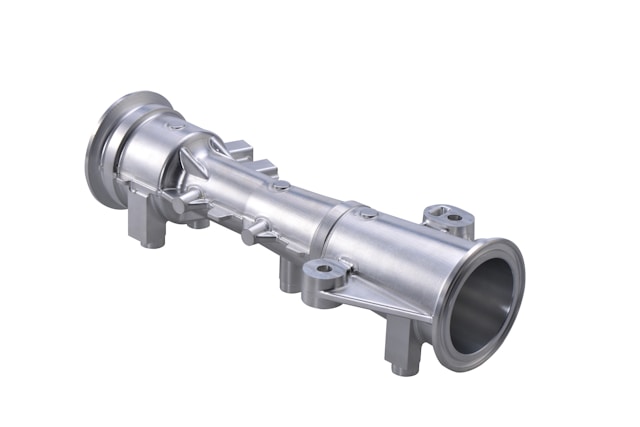
A bellow expansion joint is a flexible connector designed to absorb axial, lateral, and angular movement within a piping or duct system. Its corrugated bellows design allows it to compress, extend, and flex as the system moves, acting as a buffer between rigid components. This flexibility prevents the transfer of stress to anchors, supports, and connected equipment. Bellow expansion joints are available in metallic and non-metallic versions, each suited to different operating conditions. Metallic bellows are used in high-pressure, high-temperature environments, while fabric and rubber bellows are preferred in applications requiring vibration isolation or handling corrosive media. Selecting the right material is critical to longevity and performance.
Typical Uses in Australian Industries
Expansion joints are found across a wide range of Australian industrial applications. In power generation, they accommodate thermal expansion in steam and gas pipework. In the mining sector, they handle abrasive slurry and corrosive process streams. HVAC systems in commercial buildings rely on flexible connectors to manage duct movement and reduce noise transmission. Chemical processing plants, water treatment facilities, and food manufacturing operations all use expansion joints as part of their process pipework. The correct specification for each application takes into account the media being handled, operating temperature and pressure, the type of movement expected, and the required service life.
Considerations for Installation, Upkeep, and Lifespan
Even the highest-quality expansion joint will underperform or fail prematurely if it is incorrectly installed. Common installation errors include excessive pre-compression or extension, misalignment, and inadequate support of adjacent pipework. Following the manufacturer’s installation guidelines and working with experienced contractors reduces these risks significantly. Regular inspection of expansion joints should be part of any plant maintenance program. Signs of wear, cracking, corrosion, or leakage should be addressed promptly before they lead to system failure. Keeping records of installation dates, inspection findings, and replacement history helps predict service life and plan maintenance schedules efficiently.