





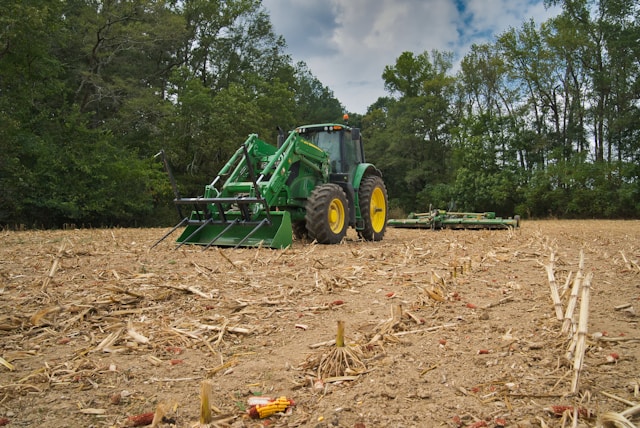
Across Australia, residential construction and landscaping projects are undergoing a big change when it comes to how they get done. More and more homeowners and contractors are turning away from traditional, labour-intensive methods in their backyards. They’re instead using compact machinery for projects like renovations, landscaping and trenching work. Labour costs are going up and up, and there just aren’t enough workers to go around, so the economics of doing small-scale earth moving are changing fast. There’s one development that’s getting a lot of attention. That’s the growing use of those compact utility loaders, you know the ones people call “dingos” around here. For jobs that involve digging, moving soil or hauling materials around, machine-assisted dingo service solutions provide some real advantages when it comes to cost and speed. They’re compared to just relying on manual labour.
The Rising Cost of Manual Labour in Residential Construction
The argument for ditching manual labour starts with the fact that construction workers are costing too much money across Australia. According to the Australian Bureau of Statistics, construction employment was at around 1.29 million people in 2023-2024, while total labour costs hit a whopping AUD 109.4 billion. The costs have gone through the roof since 2020/21 because of all the wage pressure going on in the sector. When it comes to small residential projects, labour is often the biggest expense. Industry pricing data for landscaping shows that labour makes up about 60 per cent of total project costs, and landscapers typically charge between AUD 55 and AUD 140 per hour. As a result, even pretty simple digging or hauling tasks can rack up a big labour bill when you need to get multiple workers in over several days. It’s no wonder that loads of contractors are now turning to a digger service. After all, one machine can often do the work of an entire crew.
The Productivity Gains in Backyard and Landscaping Projects
The biggest advantage of compact loaders is the way they boost productivity. Manual labour can be pretty effective for small tasks. When you need to move big volumes of earth, gravel, turf or construction materials, productivity plummets.
Time Saved and Trenching Efficiency
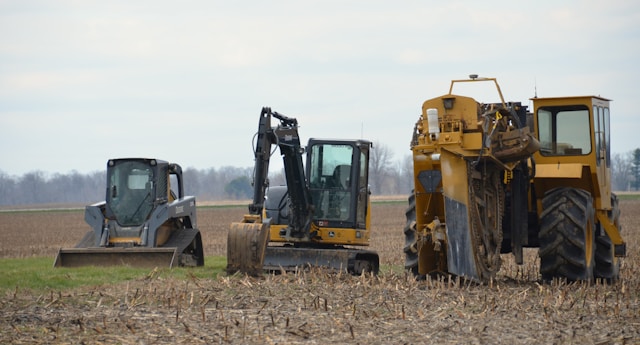
Trenching projects are one of the clearest examples of machinery outperforming manual labour. Most of the time in residential construction, you need to dig trenches for drains, irrigation systems, electric for your powerlines, and the network for your water and telephones, and comms.
Equipment Economics vs Labour Crew Economics
Diving deeper into the numbers, it becomes clear why machine-assisted services are becoming the go-to choice. A closer look at industry pricing reveals that general construction labour can cost anywhere from AUD 90 to AUD 120 per hour when you factor in contractor rates, overheads and supervision costs. Let’s say you’ve got a landscaping project that requires three blokes for 2 x 8-hour days with labour costs coming in at AUD 90 per hour. That’s a whopping AUD 4,320 just for labour. There are additional costs for supervision, transport and project overheads to consider. Meanwhile, compact loader services only need one operator and one machine to get the job done. Even when you factor in equipment hire, fuel, transport and attachment costs, the total project expenditure often comes out cheaper. The job gets done a heck of a lot faster.
Less Site Disturbance and One Machine Does it All
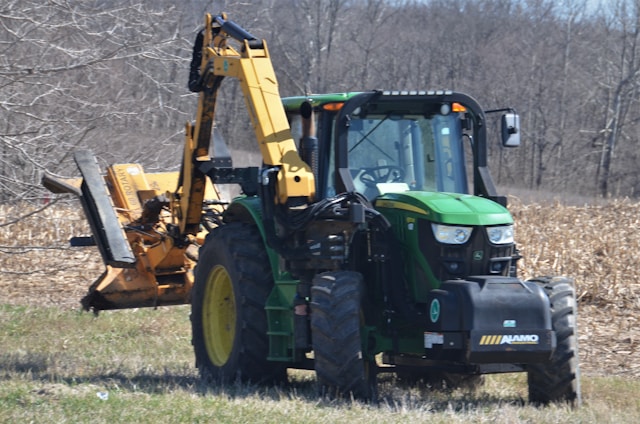
Another reason why compact loaders are gaining ground is that they can do multiple jobs without causing too much of a fuss. Modern loaders are small enough to fit through standard residential gates. They can get into tight spaces where bigger machines just can’t operate effectively. Unlike manual crews who have to keep lugging materials across lawns and landscaped areas, compact loaders cut down on handling steps and get the job done quicker. Lots of models also come with interchangeable attachments. They let you do excavation, grading, trenching, material transport, posthole drilling and site clean-up with just one machine. This flexibility reduces the cost and hassle of getting equipment on site. It means homeowners get a better deal because they’re paying for productive machine hours rather than calling in multiple specialist contractors to do separate jobs along the way.