





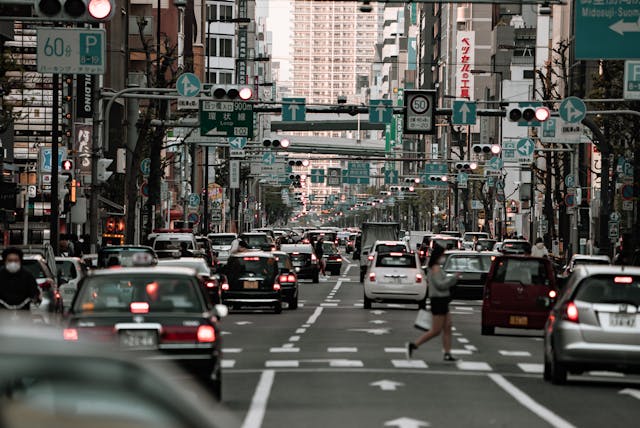
With the increasing volume of road networks in the growing cities and the rising number of traffic, traffic control has emerged as a significant challenge to the transportation authorities and urban planners. Traffic pollution, traffic congestion, and sudden changes in the traffic flow can cause disruption in the daily life and influence on the safety of the population. Traffic monitoring cameras are a crucial device that has been used to deal with these challenges. These systems enable the authorities to monitor the road conditions, control traffic flow, and swiftly react to incidents by giving visual information in real time and automated traffic analysis. Traffic monitoring cameras are important in enhancing road safety and efficiency on roads, as well as at the busy intersections of the city, which include roads, highways, and business areas.
Real-Time Surveillance: Enhancing the Road Safety.
The capability of traffic monitoring cameras to offer real-time monitoring of the road conditions is one of the most crucial roles of these cameras. They are placed at strategic places in the intersection, highways, and high traffic areas where traffic management centers have a clear view of what is happening in the roads.
In the case of live video feeds, traffic authorities are able to detect an accident, traffic jam, or unusual driving behavior rather easily. This real-time awareness will enable them to react quicker by sending an ambulatory service, regulating traffic signals, or notifying drivers about possible risks. Quicker responses can minimize the intensity of the accidents and ensure that the traffic disturbance does not spread to other areas of roads.
The traffic monitoring cameras are also used to monitor traffic over the long term to achieve safety. Through footage, the authorities are able to understand the accident prone locations and are also in a better position to understand the reasons behind the common traffic accidents by checking footage. Such information assists transportation planners to adopt safer road design, better signage or new traffic signal system that will minimize the risks of road users and pedestrians.
Traffic Flow and Congestion Management.
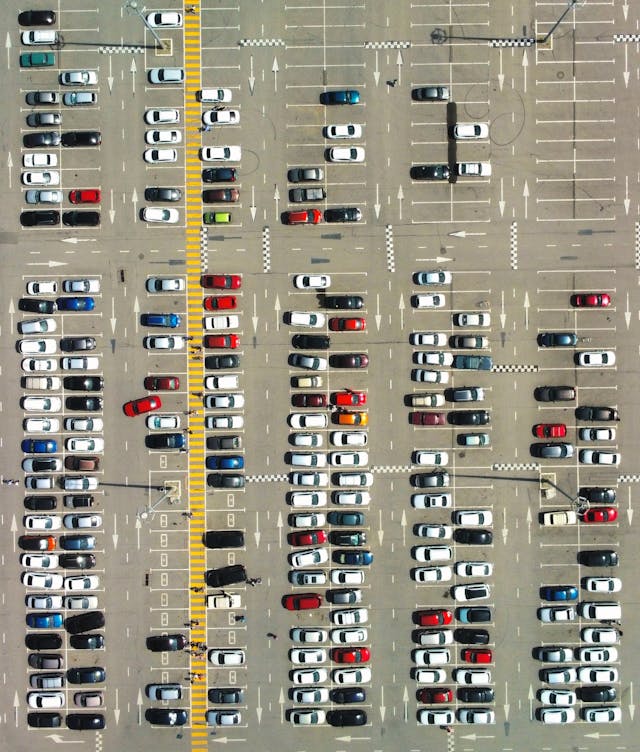
The other important advantage of traffic surveillance cameras is that they help in controlling the traffic flow. During rush hours, a large crowd in the rush cities may have a huge impact on the time and productivity of travel. Monitoring cameras are good sources of information as they allow the traffic control centers to know the way vehicles go through various sections of the road network.
Through real-time traffic conditions, the authorities can make prompt changes to traffic signals or the rerouting vehicles whenever the need arises. As an illustration, when a camera realizes that there is a lot of congestion at a given intersection, the timing of traffic lights can be changed to enable more vehicles to move through the intersection in an efficient manner. Such traffic control is dynamic in nature and contributes to minimizing delays and enhances the overall driving experience.
Traffic surveillance cameras also give valuable information during long term planning. Transportation departments can be able to make informed decisions regarding improvements in infrastructures through gathering information regarding the traffic patterns, volumes and the times during which traffic is at its peak. This can be in the form of widening the road capacity, better intersections or finding new traffic control methods to deal with the increasing demand.
Smart Technology Integration: Developing Smarter Cities.
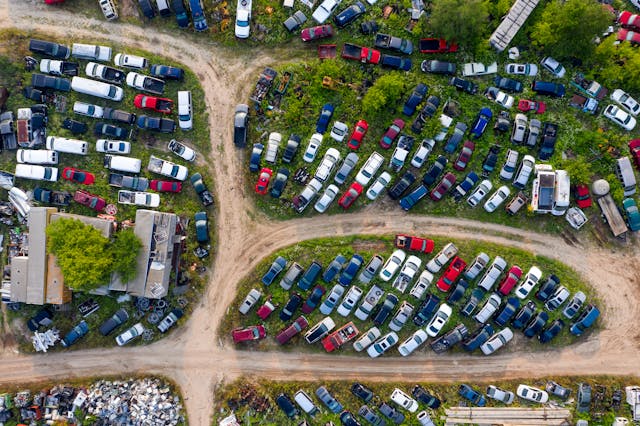
The modern traffic monitoring cameras are commonly combined with a more complex traffic control system, so they also play a significant role in the infrastructure of a smart city. These cameras may be integrated with sensors, automated number plate recognition systems and data analytics platforms to form a complete traffic monitoring network.
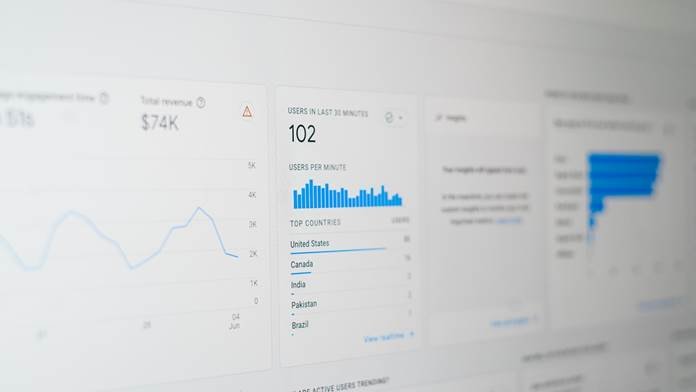
By means of this integration, cities can accumulate great volumes of useful data regarding the functioning of the transportation systems. Traffic bosses will be able to understand the traffic trends, anticipate the congestion and move forward to strategies that will enhance movement throughout the road network. Such data-driven practice enables the cities to be more efficient and safe to the drivers, cyclists, and pedestrians.
The present day cameras are also designed to work well in other lighting and weather conditions. It has high-definition imaging and night-vision, which ensure that traffic is tracked at all times across the day. Traffic monitoring cameras can be used to form a safer transportation system, more efficient, and better managed by integrating real-time monitoring and complex technology.