






Most people tend to notice the problem with street cleaning when it’s right in front of them: a kerb clogged up with debris, a drain that’s clogged beyond recognition or a car park that’s been left to gather dust for weeks. But the thing that people don’t often think about is what happens to all that rubbish when the next lot of rain comes along in Melbourne. The answer is it’s straight into the city’s creek and river system, which changes the whole game when it comes to street cleaning.
What Ends Up Getting Scooped Up?
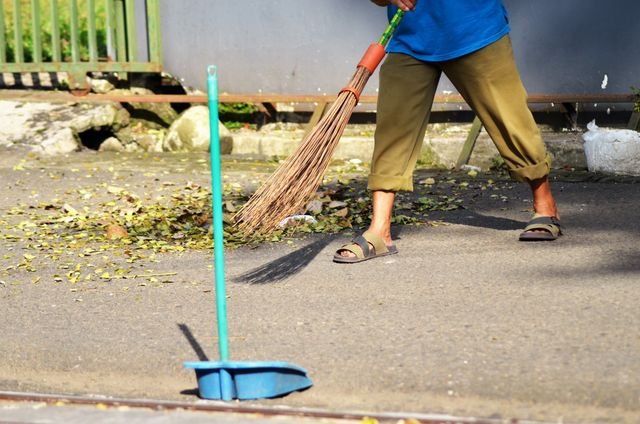
It’s not just the obvious stuff like litter and cans at the kerb that regular street cleaning Melbourne services remove from Melbourne’s roads. Fine sand and grit from car tyres is building up on arterial and industrial roads at a rate that adds up in a matter of weeks. And then there’s all the organic material from the street trees that accumulates and produces some pretty nutrient-rich runoff when it rains; and guess where that goes? Straight into the urban waterways. Tyre rubber from traffic lights and busy roundabouts is just a thin layer that gets washed into the drains every time it rains. Construction dust and tracked sand from building sites just down the road often ends up on your street and in the channel before anyone even notices it.
The city of Melbourne puts out a load of data on street sweepings through their open data platform; this includes the weight of all the material that gets yanked off the road network each month. And let’s be honest, that data gives a pretty good picture of just how much stuff is getting swept up before it ever even gets the chance to clog up the drains.
Where That Material Goes Without a Clean?
Melbourne’s stormwater network isn’t connected to the sewage treatment system; the stormwater just gets chucked straight into the creek and river network and then out into Port Phillip Bay, and most of it makes that journey without getting any treatment along the way. Melbourne Water makes it pretty clear in their public info: stormwater brings pollution and all sorts of trash from the city streets straight to the waterways, and much of that stuff arrives untreated. Street cleaning is one way to grab some of that stuff at the source before the rain comes along and sweeps it into the network.
The Gap Between Council Cleaning and Commercial Needs
Councils do a good job with their fixed schedules on residential streets and main roads but that model just doesn’t cut it for commercial areas, industrial zones and all the rest. A loading dock, a big car park or the road network around some major factory all churn out loads of debris and waste types that councils just weren’t designed to handle. Specialist sweepers work out their own schedules for individual sites, bringing the right gear to the right place, which is a totally different ball game from councils just sweeping on a set rotation.
Why Industrial and Commercial Streets Produce Heavier Loads?
Heavy trucks kick up a lot more tyre rubber and chuck loads more grit onto the road than passenger cars do. Then you get all the packaging and spillage in loading docks that councils’ standard sweeps just won’t touch. And if you’re near food factories or processing places, you get organic waste that just decays fast, making a stink and causing all sorts of pest problems; and the more you delay the clean the worse it gets. Those streets have a heavier, more varied and more pressing need for cleaning than residential areas were ever designed to deal with.
What Deferred Cleaning Actually Costs?
Putting off the street cleaning might look like a short-term saving, but in the long run you end up with drain blockages from all that accumulated debris making floods way more likely in Melbourne’s heavy rain. And then of course there’s the surface build-ups creating slip hazards in shaded and enclosed areas, not to mention all the extra wear on sealed driveways and car park surfaces as the grit wears down the tyres. And for places with stormwater management regulations to stick to, putting off the clean just means you’re creating a whole world of compliance issues for yourself, and the cost of dealing with all that is usually a lot higher than the original clean would have been.