





Perth has more roof racks per registered vehicle than most Australian cities, and that’s not a coincidence. Between tradies heading to job sites in Rockingham, 4WDs loaded for weekend runs to the Pinnacles, and family SUVs carrying bikes along coastal trails, roof racks in WA are working equipment rather than accessories. That expectation is exactly where the gap between reading the sticker and understanding the system becomes a real safety issue, often discovered at the worst possible moment.
The Two Load Ratings That Most Buyers Treat as One
Dynamic load rating is the figure that applies while the vehicle moves on a sealed road. Static load rating is the higher number that applies when the vehicle is stationary. Those two figures are not interchangeable, and most buyers only ever read one of them, usually the larger one.
The actual usable payload for any trip is calculated as the lower of the vehicle’s roof rating and the roof racks Perth rack’s own rating, minus the combined weight of the rack system, brackets, any fixed accessories like awning brackets or light bars, and then the gear loaded on top. What remains after those deductions is the real capacity for the journey. Australian corrugated unsealed roads reduce effective load ratings significantly; the lateral and vertical forces experienced on dirt tracks are far greater than those on sealed surfaces, and some rack manufacturers specify a separate, lower off-road rating that applies from the moment the bitumen ends.
Rack Types and the Perth Lifestyle That Matches Each One
The lightest crossbar type is the aerodynamic type, which suits the needs of city driving and single-purpose accessories such as a kayak carrier and bike rack; they generate less noise during highway drives on the way to the coast and that makes a difference on long distances towards the south. The platform racks have a large flat carrying surface along with several tie-down points, and they suit people who are regular campers, tradesmen who haul long objects, and those who put up a tent on the roof for long trips into the outback. Basket racks enable air circulation underneath the cargo, which is helpful during the hot summer in Perth while camping.
Mounting Systems and Why Vehicle Compatibility Comes First
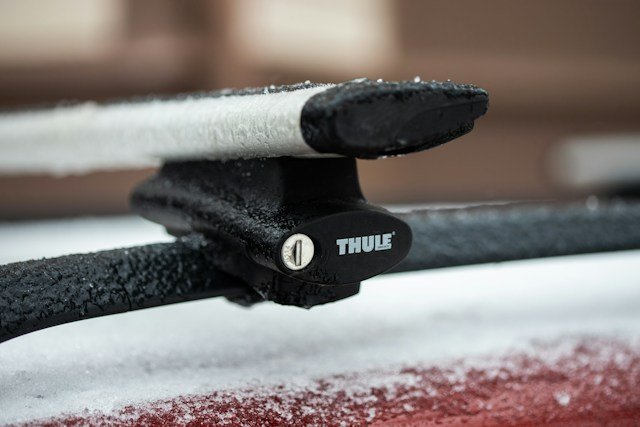
Mounting points incorporated directly into the roof structure make for the most stable fit; the rack mounts directly to the chassis rather than being clamped over surface railings. Raised roof rail mount points that are common in current model-year SUVs and wagons need feet designed specifically for that mounting system; load ratings of the railings vary greatly by vehicle model and cannot be assumed based solely on visual similarity. Gutter clamp mounting works well with old-school 4WDs and commercial vans; quick to install but requires a torque check after the first 50 kilometres of travel, because gutter railings differ from one year/model to the next. Flush roof rail systems common with newer vehicles also need specific fitting kits; universal crossbars never make for a stable fit on flush-railing racks and shift under load when travelling at highway speeds.
How Perth Makes the Mounting Choice More Complicated?
Ocean salt spray corrodes steel racks rapidly; powder-coated or anodised aluminium is a better choice for racks on vehicles parked close to the coast, like Fremantle, Cottesloe, and Rockingham areas. Heat from summer expands the rack material and the roof of the vehicle; racks mounted too tightly create cracks around the mounting points through multiple summer-winter heating-cooling cycles. An empty platform rack on a vehicle travelling at 110 km/h down the Albany Highway creates a drag that adds to fuel expenses; relevant on the extended trips needed in Perth’s geography. In Perth’s construction industry, load securing with ratchet straps and tie-down points to the front of the load is a chain of responsibility requirement regardless of the vehicle used and the load transported.
The One Thing To Do During Installation or the System Won’t Hold
All installations need to end with a torque check done according to manufacturer specifications; otherwise, one gets a loose mounting that fails on corrugations. A 50-kilometre test-drive followed by re-torquing catches the natural settling during the first ride with load on board. All accessories have individual maximum loads; subtracting these from the rack’s maximum load rating doesn’t increase the rack’s ability to hold additional load.