



The call comes out of nowhere. A journalist wants to speak with you about your business, your research or an issue affecting your industry. It’s exciting, flattering and, for many people, absolutely terrifying. What if you freeze? What if you say the wrong thing? What if a careless comment ends up as the headline?
A first media interview can feel daunting, but it’s also a valuable opportunity to share your expertise, raise your profile and tell your story. Preparation makes all the difference. Many leaders, spokespeople and professionals invest in media training in Melbourne or their own city before stepping in front of a camera or microphone, but even without formal training, there are practical steps you can take to feel confident and come across well.
Understand the interview
Before agreeing to an interview, find out as much as you can. Ask the journalist what the story is about, why they want to speak with you and how your comments will be used. Will it be live or pre-recorded? Is it for television, radio, print, online or a podcast? How long will it take, and who else are they interviewing?
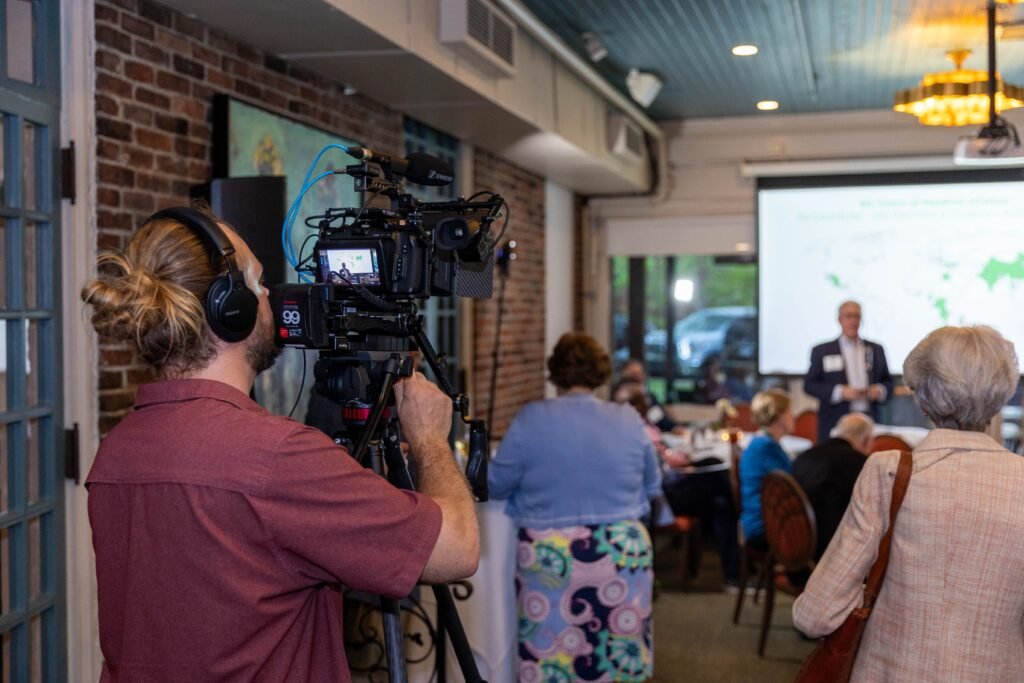
Knowing the format helps you prepare. A live television interview requires short, clear answers and confident body language. A print interview may be longer and more conversational, but your words could be quoted directly. Radio relies heavily on tone of voice and clarity.
It’s also worth researching the journalist and the outlet. Read, watch or listen to their previous work to understand their style and audience.
Know your key messages
One of the most important parts of preparation is deciding what you want to say. Before the interview, identify two or three key messages you want the audience to remember. These should be clear, concise and relevant to the story.
Support each message with evidence, examples or a short story. Personal examples and real-world stories make your points more memorable and relatable than abstract statements or statistics alone.
Practise saying your key messages out loud until they feel natural, but avoid memorising a script word for word. You want to sound conversational, not rehearsed.
Prepare for tough questions
Journalists aren’t there to make you look good. Their job is to get a story, and that sometimes means asking difficult or uncomfortable questions. Think about the questions you’d least like to be asked and prepare honest, thoughtful responses.
If you don’t know the answer to a question, it’s okay to say so. Offer to find out and follow up. Never guess or speculate, as inaccurate statements can cause problems later.
Avoid saying “no comment”, which can make it seem as though you’re hiding something. If you can’t discuss a particular issue, explain why, such as legal or privacy reasons, and redirect to what you can talk about.
Remember that nothing is truly off the record. Assume everything you say, including casual comments before or after the interview, could be published or broadcast.
Practise your delivery
How you say something matters as much as what you say. Speak clearly and at a steady pace. Keep answers short and to the point, particularly for broadcast media, where soundbites are often only a few seconds long.
Avoid jargon, acronyms and technical language unless you explain them. Imagine you’re speaking to a friend who doesn’t work in your industry.
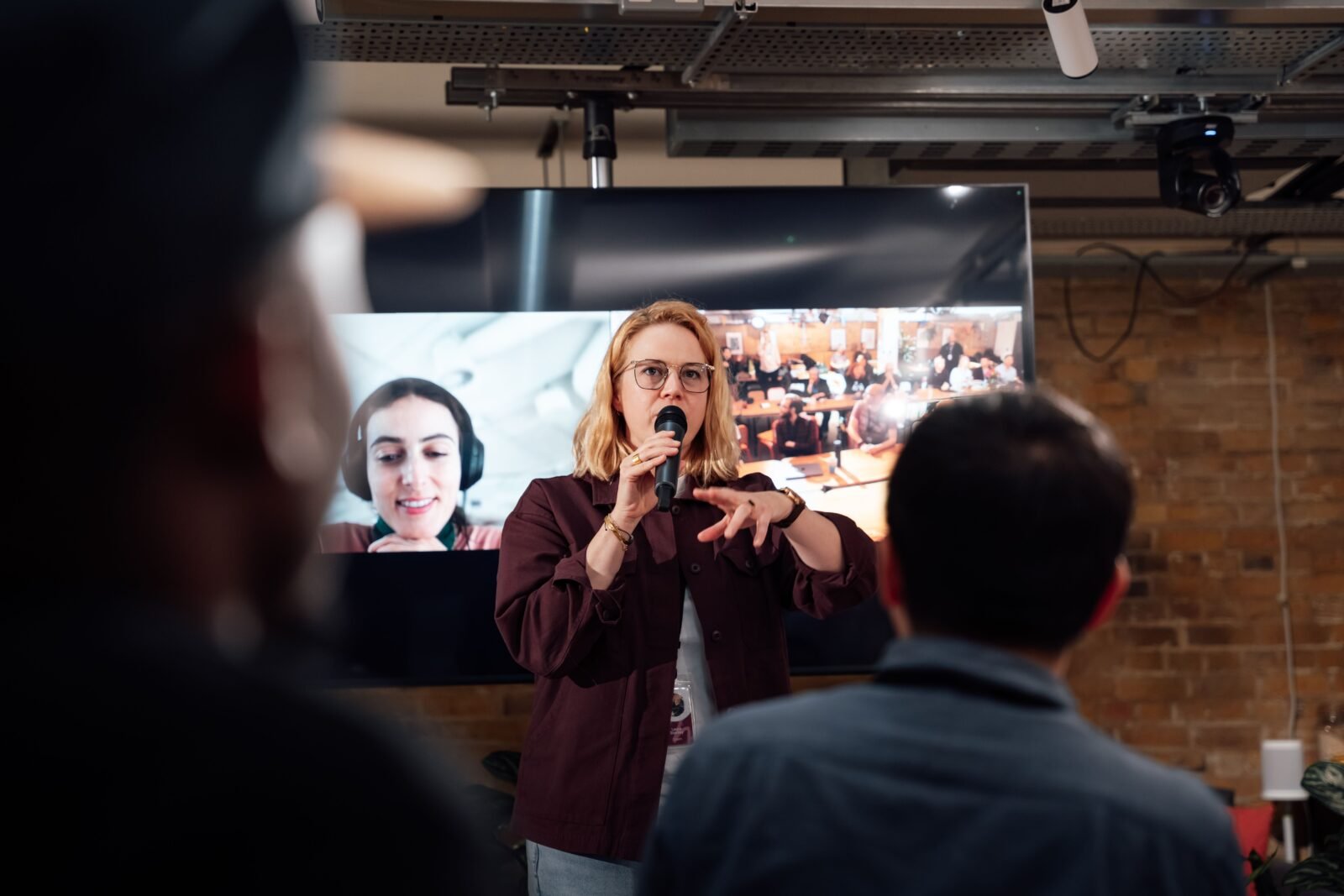
Body language is important for video interviews. Sit or stand tall, maintain eye contact with the interviewer rather than the camera (unless instructed otherwise) and use natural hand gestures. Smile when appropriate, but match your tone to the subject. A serious issue calls for a more serious demeanour.
Practising with a colleague, friend or media trainer can help. Recording a mock interview and watching it back is one of the best ways to spot habits, such as filler words or fidgeting, that you might not notice otherwise.
On the day
Arrive early or log in ahead of time if the interview is online. Check your appearance, including your clothes and background. Choose simple, professional clothing without busy patterns or logos that could distract viewers.
Take a few deep breaths before you start. Nerves are normal and can even help you stay sharp. Listen carefully to each question, pause if you need a moment to think and answer calmly.
After the interview, thank the journalist and offer to provide any additional information they may need. Once the story is published or broadcast, review it to see what worked well and what you could improve next time.
Building confidence over time
Your first media interview is a learning experience. With preparation, practice and a clear understanding of your key messages, you can approach it with confidence and make the most of the opportunity. Each interview after that tends to get a little easier, and before long, you may find yourself looking forward to the next one.