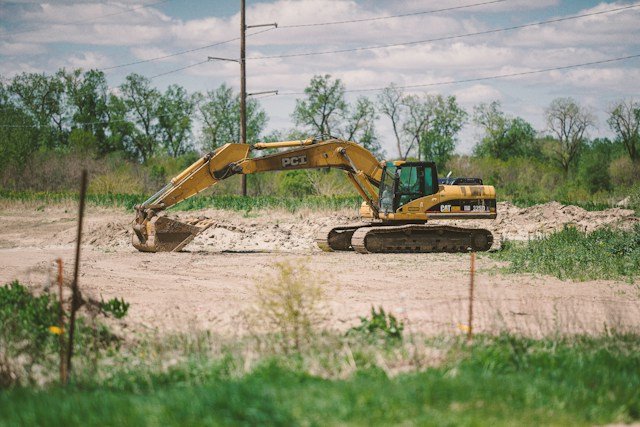







There is usually some greyish water and cement mixture that is left after washing concrete equipment. While the waste might seem harmless, there is always the issue of fine particles of cement and high alkalinity in the mixture. Should this wash water get into a stormwater drain near the area, the waste is able to reach the creek in minutes. The slurry treatment system helps in preventing such waste from getting to the drains and water bodies.
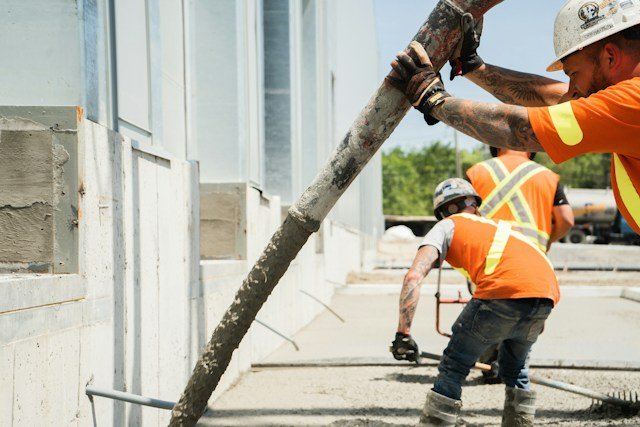
Description Of Slurry, Washwater And Runoff
While construction workers tend to interchange the above terms for these kinds of wastes in concrete slurry treatment, they have different descriptions. Concrete slurry refers to the waste that is created in the process of cutting, grinding, coring, and equipment washout. On the other hand, cement washwater is a thin waste created in the process of washing chutes, wheelbarrows, and tools. Runoff refers to rainwater that carries soil, sand and cement dust in the area.
Why Even A Small Spill Can End Up Being A Big Deal?
Fresh concrete waste is a real killer for aquatic life; it’s highly alkaline and can cause all sorts of problems for fish and other creatures. And when fine cement particles get into water, it not only makes the water cloudy, but also settles on creek beds making it hard for anything to survive. Unfortunately, given that stormwater drains often just empty straight out into local waterways, construction waste that ends up in a roadside drain can soon find its way into a creek.
It’s been a major problem for regulators, who’ve been cracking down on builders who let waste escape off their sites. In April 2026, for example, EPA Victoria slapped a $2,035 fine on a builder in Lara after sand and cement waste from a construction site got away. It was the fourth company to get in trouble during a single inspection campaign, in fact.
How Concrete Slurry Treatment Works In A Nutshell?
Most treatment systems have a few basic steps to take on the waste, each aimed at dealing with a different bit of it:
- Collection: Just get the slurry into a bin, tank or lined pit, to stop it getting out into the open and making a mess.
- Settling: Let the solid particles just settle naturally, or use a flocculant to help the tiny particles join up.
- Filtration: Pass the water through filter bags or a proper filtration system to get rid of whatever fine particles might still be around.
- pH testing: Check the pH of the water and adjust it if it’s outside the limits allowed.
- Disposing of the solids: Get the collected solids to an approved facility or let them harden up and then dispose of them as solid waste.
The worst part about settling is that it takes time for those fine particles to sink, so the more tank space you’ve got, the better the result will be.
The Trouble With Just Adjusting The pH
Just neutralising concrete washwater doesn’t make it safe to discharge, no way. Adjusting the pH does reduce the alkalinity, but all those other contaminants; suspended solids, dissolved salts and so on; can still be there. And even if the pH is normal, the water might still be cloudy because of sediment.
Getting To Grips With The Remaining Waste
Once concrete slurry has hardened, it’s a lot easier to deal with than the wet stuff. Where you can dispose of the solid is usually decided by local regulations, and many construction sites just send it off to a concrete recycling facility.
Getting It Right From The Start
You have to start planning for slurry management before concrete trucks even arrive on site. Pick a flat spot near the stormwater drain where there’s no risk of water running off into the local waterway, ideally near where the delivery trucks can park. You need a suitable lining and bunding on the spot, with a lid on the tank when there’s a chance of rain. And then there’s the people side of things.
You can have the best waste container in the world, but it won’t do much good if you don’t train the workers on where everything goes and how to use the equipment.
Picking The Right Treatment Method For Your Needs
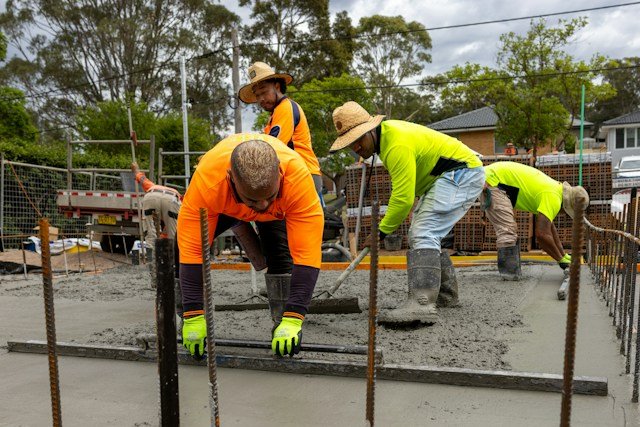
Concrete slurry treatment systems run from simple collection bins to big filtration units. The best one for you will depend on how much waste you’re producing, the layout of your site and what your local regulations say. Before you start thinking about what treatment method to use, take the time to confirm the rules with the relevant people, so you and your workers know what to do with each wash-out.