





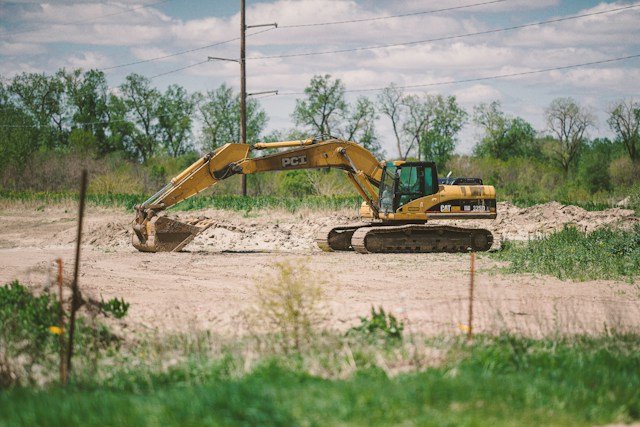
Gardens in Perth are found in areas that have some of the sandiest soils among all capital cities in Australia. While it is easy for a shovel to cut into such sandy soils, manually moving tonnes of sand ruins your back and your weekend. It is this dichotomy that has led to mini loaders being highly sought after.
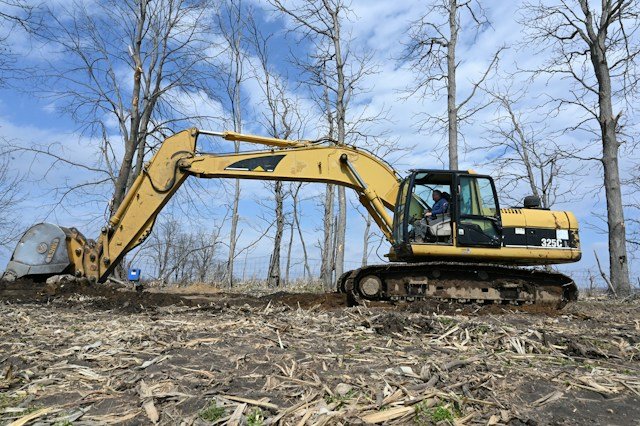
Perth Soil Changes Everything
Much of the Perth metropolitan area sits on the Swan Coastal Plain, where sand is everywhere. Head further north and the ground is covered in gravel, laterite and heavier clay. There’s often limestone just beneath the surface in lots of coastal suburbs too.
Trucks and machinery just struggle in loose sand. Tracked mini loaders are way more stable on soft ground, which makes dingo hire Perth so popular, and they’re great for not leaving lawn damage either.
Jobs in the Perth area that are pretty common include:
- Backfilling around new pools, you know, the ones where the kids will be splashing about in no time.
- Preparing ground to put those retaining walls in place.
- Trenching for new reticulation lines.
- Levelling out the yard for turf or pavers; it’s amazing how much it improves the look of a place.
- Clearing out old garden beds and all those old shrubs.
Limestone or old rubble beneath the surface can turn what would be a simple dig into a right proper headache. You might need a rock breaker or bigger buckets to get through once you’ve cleared the surface.
Hire: Wet or Dry?
Dry hire means you sort the machine yourself and get on with the job. Wet hire has a trained operator come and do it for you. Each option is suited to different people and projects.
Dry hire is great for homeowners who are confident and just need to do a simple job. The rates are lower and you can do it all in your own time, but if you’ve never done it before, then it can slow you right down and you might end up with a big mess.
Wet hire costs more, but the operator will know exactly what they’re doing and get the job done so much faster. They know all the tricks to get it done quickly and cleanly.
Hire is usually done by the day or week.
Before the Machine Arrives, Get Your Head Around This
Measure out the access points before the machine turns up and save a world of trouble. Don’t even get me started on side gates, narrow paths and garden walls getting in the way; even compact machines can struggle with that.
Underground services are the biggest hidden risk. A free call to Before You Dig Australia will get you a plan from the asset owners in no time, usually, but do allow up to two business days. The plan will tell you if services are present, not where they are, so you really need to be careful.
Other things to sort out before the machine arrives include:
- Checking if council has any rules about verge work and skip bins.
- Working out where to send the soil or what to do with all the spoil.
- Giving your neighbours a heads-up about the noise and the trucks.
- Watering the sandy ground a bit beforehand to keep the dust down.
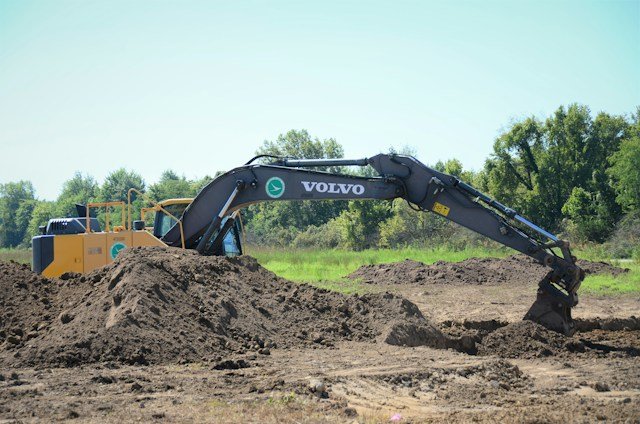
Staying Safe on Residential Sites
Home sites are a different story to commercial ones. There are always kids and pets running around, and the last thing you want is for them to get hurt.
Simple precautions can stop most accidents from happening:
- Putting some tape or fencing around the work area so people know to stay away.
- Keeping the little ones and pets inside while the machine is running.
- Avoiding steep slopes and the edges of trenches.
- Never letting anyone ride on the operator platform.
- Always lowering the attachments when work stops.
Oh, and just a word to the wise: keep an eye out for overhead powerlines, especially when shovelling soil into a truck.
With a bit of planning, you can get a whole lot done in just a day that would take weeks by hand.