





Choosing an osteopath in Chelsea Heights can’t just be about who is available the soonest. The structure of the practice, is it a small solo operation or a big team of different disciplines all under one roof, has a lot to do with the kind of care that is possible. A search for Chelsea Heights osteopath is going to throw up a mix of both models. The right choice is going to depend on what it is that the patient actually needs.
Solo Osteopaths vs. Multidisciplinary Clinics in Chelsea Heights
Chelsea Heights has its fair share of small, single practitioner osteopathy practices and larger clinics that offer a bunch of different services alongside osteopathy, like physiotherapy, massage, and pilates. A solo osteopath gets to really know their patients over time and build up a deep understanding of their history. That often leads to more effective long-term management of those tricky recurring problems.
Multidisciplinary clinics have the advantage that you can get treatment from different disciplines in the same place, without having to go out and find different services elsewhere. If you need a combination of osteopathy and physiotherapy to get better, that can be a big advantage. It makes things a lot easier for the patient. Neither model is universally better than the other. It really depends on whether your problem is one that can be sorted out by one person on its own, or whether you need a team working together to get you better.
Private Health Insurance: What You Need to Know?
Osteopathy is one of those services that is covered by private health insurance, but don’t get too excited because the rebate amount can vary wildly from one fund to another. If you’re lucky enough to have a basic tier extras policy, you might find that the rebate only covers a tiny fraction of the cost, especially if you’re seeing a specialist osteopath.
Medicare doesn’t actually cover osteopathy. If you’ve got a chronic condition, you might be able to get some subsidised treatment through your GP.
The Importance of Running Analysis and Gait Assessment
Gait and running analysis has become a really popular service with osteopaths in Chelsea Heights, thanks to the town’s big population of recreational runners and the fact that there are so many great trails along the water. By slowing down the footage of a treadmill test and taking a close look at how you’re moving, an osteopath can spot all sorts of mechanical issues that might be causing you pain in your knees, hips, or lower back.
It’s actually a lot more useful to identify those issues and start work on fixing them before they cause problems. That approach is better than just keeping treating the symptoms over and over again. Exercise correction combined with some soft tissue work can give you a lot more durable results than just using hands-on treatment on its own.
Paediatric Osteopathy: The Things Parents in Chelsea Heights Are Tired of Wasting Time On
Paediatric osteopathy is a specialist area of treatment that deals with all sorts of problems in babies and toddlers, things like plagiocephaly (flat head syndrome), feeding difficulties, colic, and birth-related muscle tension. When it comes to treating newborns, the osteopath has to be really gentle. We’re not talking about the same sort of forceful techniques that are used with adults.
Parents should always look for an osteopath who has done some extra training in paediatric treatment. Don’t just go for whoever is willing to see children. The evidence base for paediatric osteopathy is still developing, and a reputable osteopath will be upfront about what we know and what we don’t know.
When Osteopathy Might Not Be the First Step You Need?
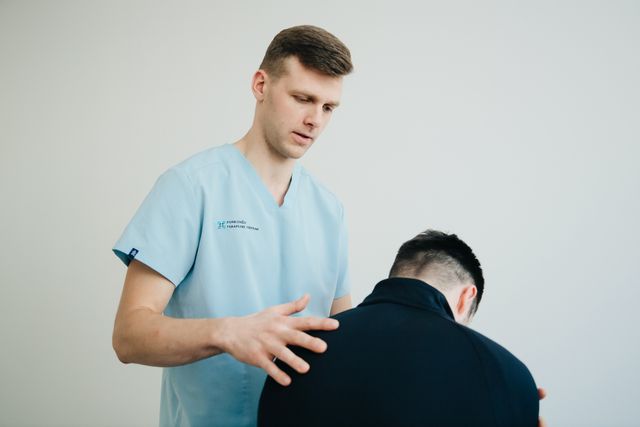
Beware of Red Flag Symptoms, things like unexplained weight loss, a burning in your back that just won’t shift whether you’re lying down or sitting up, suddenly finding that you have problems controlling your bladder or bowel, or coming down with a fever on top of your back pain. Before you even think about trying osteopathy, you need to get that checked out by your GP first. Osteopaths are properly trained to pick up on these warning signs and send you off to someone else if that’s what you need. A good osteopath will even tell you straight out if they just can’t help with your symptoms. That way, you can all be on the same page and find a solution that works.
Before any hands-on treatment can happen, there are just some things you can’t have, fractures, tumours, or certain neurological conditions, for instance. That usually means you need some X-rays, or that sort of thing, before our osteopath can even touch you. Finding yourself a practitioner who is upfront about what they can and can’t do is what builds trust. A good working relationship like that makes a huge difference to getting the right treatment in the long run.