






In the last two decades, the brothel industry in Australia has moved into a new commercial realm that has been dominated by online marketing. Before digital advertising, legal brothels relied on newspaper classifieds, magazine space, street exposure, and hushed referrals between customers to attract patrons, all of which reached a limited audience and cost more. Companies were provided with tools to target customers, manage reputation online, adjust pricing relative to competitors, and provide workers with greater control over their operations. Search terms like best brothel Sydney became valuable real estate, an example of how search engine visibility has become a key driver of competition and revenue.
From Newspaper Classifieds to Digital Advertising
In the period prior to the widespread adoption of internet advertising, brothels were limited by numerous physical restrictions when advertising in Australia. The costs of newspaper ads amounted to thousands of Australian dollars per week. They also were restricted to a specific area of coverage and exposed to state-controlled censorship guidelines. Moreover, even despite the high price, business owners could not be sure if the advertisement actually attracted clients or went unnoticed on the pages of newspapers. Internet advertising quickly swept all limitations away. Online directories, classified sites, and Google ads made it possible for brothels to gain a broader audience through cheaper marketing options and by putting their offers in front of potential customers searching for similar services. According to research conducted in the field of online advertising in Australia, the use of search advertising resulted in an income of more than AUD 6.6 billion in 2023. This amount reflected a trend in the entire business environment towards acquiring new customers digitally.

Search Engines Changed Customer Behaviour
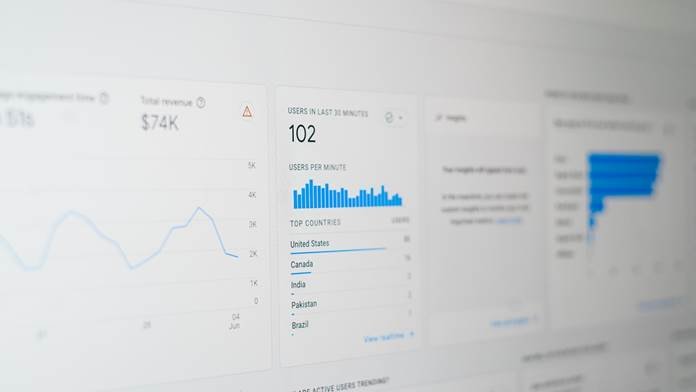
Search engines started changing the consumer behaviour within the adult services industry in a manner that was hard for companies to ignore; consumers liked browsing online in secret anonymity compared to visiting a facility or flipping through print listings in public areas. This evolution happened very fast after smartphones became prevalent in Australia in the 2010s. With online marketing came a new era of data analytics, such that being listed on Google could be equated to income. Brothels started employing SEO techniques, localized keywords, online reviews management, and advertising campaigns; companies listed on the first page would attract more traffic while others ranked lower would struggle to compete. The effect was immediate from the financial perspective; operators could view their click-through rates, booking trends, demographic distribution, and conversion statistics in real time online. This is something no other form of advertising could do. Consumer information in the modern era came ready-made for the operators due to online marketing. This was possible because consumption trends were observable instantly, hence allowing for price changes and promotional activities or staffing based on consumer actions.
Social Media Turned Businesses into Brands
The change went beyond advertising, however, as social media added another commercial layer to the brothel industry, and platforms like Instagram, Twitter, Reddit, and subscription-based content services enabled businesses and independent workers to create digital identities people could recognize well before physical contact. Brothels ceased to present themselves as simply a physical venue and began to fashion themselves as online lifestyle brands, with marketing campaigns based on visual presentation, audience interaction, consistent branding, and promotional styles more common to influencer culture, such as photography, video promotion, and personalized content. This shift also gave an advantage to smaller operators and independent escorts, as strong online branding no longer necessitated ownership of a large physical business. Research into Australia’s online adult service market found that digital platforms gave workers more control over pricing, working conditions, and personal boundaries. Dependence on agency-controlled systems weakened as workers built direct customer access online. In practical terms, bargaining power inside the industry started moving into different hands.

Data Tracking and Precision Advertising
The brothel industry was no different, and modern digital marketing is all about the data. Today, companies use customer tracking systems, geographic targeting, keyword analysis, and behavioural advertising to find audiences that are more likely to book, so paid advertising campaigns can target users by location, browsing behaviour, search history, and even the device they use, meaning operators spend advertising dollars on people who are already exhibiting signs that they might become paying customers, a level of targeting that drives efficiency rates much higher than print advertising, which blasted the same message at broad audiences without much filtration. All the while, data analytics improved business forecasting throughout the industry.