





A customer calls a small business and the phone rings out. They try again an hour later and hear a toddler in the background as the owner answers from the kitchen. Nothing about the actual service has changed, but the impression has. Fairly or not, people judge a business by how it handles their call.
For sole traders and small teams, presenting a polished, professional front can be tricky when you are juggling everything yourself. Smart phone technology has levelled the playing field considerably. A virtual number service can give a one-person business a dedicated local or national number, professional greetings and call routing that makes it feel far more established than its size suggests.
Separate business from personal
Using your personal mobile number for business might seem convenient, but it has drawbacks. Business calls interrupt family time, personal calls come through during client meetings, and if you ever change your number, customers lose track of you.
A dedicated business number keeps things separate. Calls can be routed to your existing mobile, but you know when it is a business call and can answer accordingly. If you hire staff or move, the number stays with the business.
Local presence, wherever you are
Customers often prefer dealing with local businesses. A virtual number with a local area code can give your business a presence in a particular city or region, even if you operate from elsewhere.
National numbers, such as 1300 or 1800 numbers, can make a business appear larger and more established, and provide a consistent number for customers across Australia.
For businesses selling overseas, virtual numbers in other countries can make it easier for international customers to get in touch without paying for international calls.
Professional greetings and menus
A professional greeting immediately lifts how a business sounds. Instead of a generic voicemail, callers hear a clear message with your business name.
Interactive menus, where callers press a number for sales, support or accounts, help route enquiries efficiently. Even small businesses can use them to direct calls to different team members or to the right voicemail box.
Never miss a call
Missed calls are missed opportunities. Smart phone systems can forward calls to multiple phones, ring several team members at once or follow a sequence until someone answers.
After-hours routing can send calls to voicemail, an answering service or a mobile number. Voicemail-to-email features mean messages arrive in your inbox so you can respond quickly, even when you are on the move.
Work from anywhere
Cloud-based phone systems allow staff to make and receive business calls from mobiles, laptops or desk phones, wherever they are. This flexibility suits remote and hybrid teams, tradespeople on the road and business owners who travel.
Outgoing calls can display the business number rather than personal mobiles, maintaining a consistent professional image.
Scale as you grow
Traditional phone systems often required expensive hardware and complex installations. Virtual and cloud systems are typically easier to set up and scale. Adding a new staff member or extension can be done quickly, often through an online dashboard.
This flexibility makes smart phone systems ideal for growing businesses that need to adapt as their teams and customer bases change.
Useful features worth considering
Depending on your needs, look for features such as call recording for training and quality assurance, call analytics to understand peak times and missed calls, integration with customer relationship management software, business hours settings and SMS capabilities.
Not every business needs every feature. Focus on the tools that solve real problems for your team and customers.
Choosing a provider
When comparing providers, consider pricing, call quality, ease of use, customer support and how easily the system can grow with your business. Read reviews and ask about contract terms and porting existing numbers.
Setting up without the headaches
Getting started is usually simpler than people expect. Most providers let you choose a number online, set up greetings and call routing through an app or web dashboard and start receiving calls within a day or two. Record a short, friendly greeting that clearly states your business name, and test the system by calling it yourself from different phones. Check how calls appear on your mobile so you can tell business and personal calls apart. Finally, update your website, email signature, business cards and online listings so customers always have the right number.

Sound like the business you want to be
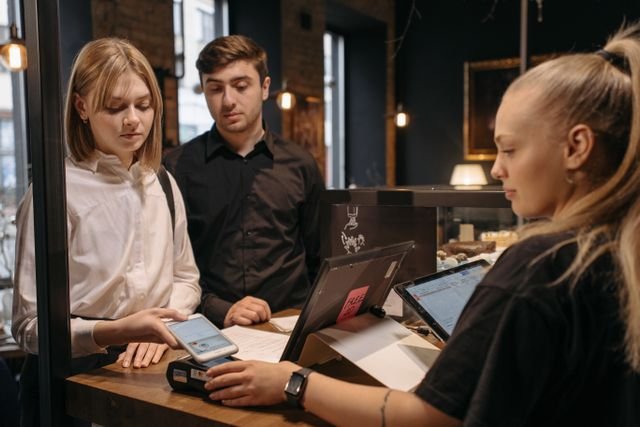
Customers rarely see behind the scenes of a small business. What they experience is how easily they can reach you and how professionally their call is handled. Smart phone systems help small businesses make a strong impression, capture more opportunities and compete confidently with much larger players.