






Concrete cutting is a specialist task that requires the right equipment and, in many cases, skilled operation to achieve clean, accurate results without damaging surrounding structures or creating safety hazards. Whether the application is cutting expansion joints in a slab, opening up a wall for a new doorway, or creating trenches for services in a concrete floor, the precision and power of dedicated concrete cutting equipment makes the job achievable. For most tradespeople and contractors, hiring concrete cutting equipment for specific projects is far more practical than outright purchase. The capital cost is avoided, the equipment is always current and properly maintained, and it can be returned when the job is done rather than stored between uses.
When Is Cutting Concrete Necessary?
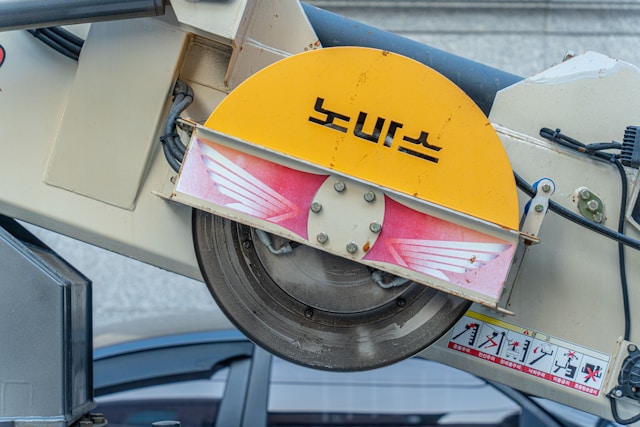
Concrete cutting hire covers a range of equipment types suited to different cutting requirements. Floor saw or flat saw hire is appropriate for cutting horizontal surfaces such as slabs and pavements. Wall saw hire is used for vertical cuts through concrete walls. Core drilling equipment produces clean circular holes through concrete for pipes, cables, and air conditioning penetrations. Each application requires the appropriate equipment, blade specification, and cooling method. Diamond blades are the standard for quality concrete cutting, and the grade and specification of the blade must match the aggregate and hardness of the concrete being cut. A hire company with experienced staff can advise on blade selection based on your specific material and application, which is crucial to achieving good results and managing blade wear and cost.
The Advantages of Hiring Concrete Cutters
Hiring concrete cutting equipment eliminates the capital outlay of purchasing specialist machinery that may only be used occasionally. It also removes the responsibility for blade maintenance and replacement, equipment servicing, and the cost of transporting heavy machinery to and from site. The hire cost is a direct project expense that is easy to account for. For projects requiring wet cutting, hire equipment comes with the necessary water supply connection provisions and can often be provided with dust extraction attachments to manage silica dust in line with workplace health and safety requirements. These safety provisions are built into the specification of professional-grade hire equipment.
Selecting the Appropriate Tools for Your Task
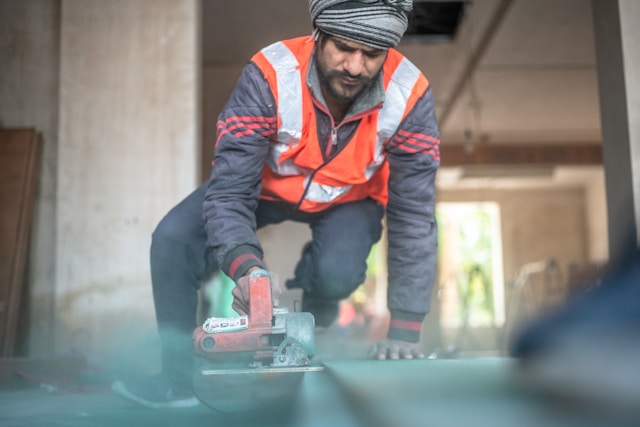
Choosing the right concrete cutting equipment starts with accurately defining the task. The depth of cut, the area of concrete to be cut, the access available on site, and whether the cutting must be done wet or dry all influence equipment selection. Your hire provider can guide this process if you provide a clear description of the work. Always confirm that the operator of hired concrete cutting equipment is competent to operate it safely. Some equipment types require formal training or certification. A reputable hire company will advise on any operator competency requirements and can arrange training if needed. Safe operation protects both the people on site and the quality of the finished work.